


The Spanish Asthma Guideline (GEMA) 5.5 marks a significant conceptual and clinical advance in asthma management across Spanish-speaking healthcare systems. This updated edition incorporates the latest scientific insights into the pathophysiology, diagnosis, phenotyping, and treatment of asthma, while maintaining its practical, evidence-based orientation. A key innovation is the redefinition of therapeutic objectives: treatment is no longer limited to symptom control but is directed toward achieving and sustaining clinical remission, following the principles established by the Spanish REMAS consensus. The guideline also integrates recent evidence supporting the role of biologic therapies in specific inflammatory phenotypes, the implementation of maintenance and reliever therapy (MART) in adolescents, and a more rational approach to bronchodilator use in pediatric exacerbations. Further updates include refined recommendations on stepwise pharmacological strategies, expanded indications for advanced therapies in both adults and children, and updated management of associated conditions such as allergic bronchopulmonary aspergillosis and eosinophilic granulomatosis with polyangiitis. Organizationally, GEMA 5.5 strengthens the role of multidisciplinary asthma units, digital monitoring tools, and adherence-promoting interventions. Overall, GEMA 5.5 represents a paradigm shift toward personalized, remission-oriented asthma care, reinforcing its position as the leading Spanish-language reference for evidence-based clinical practice in respiratory medicine.
The Spanish Guideline on Asthma Management (GEMA) has established itself as the leading Spanish-language reference for the diagnosis, treatment, and follow-up of asthma across all levels of care. In its version 5.5, the guideline completes a new phase of comprehensive revision that incorporates the most recent advances in the etiopathogenesis, pathophysiology, diagnosis, phenotyping, treatment, strategies and organizational care models. This update represents a step forward in integrating evidence-based medicine with clinical practice, maintaining the practical structure that characterizes GEMA while strengthening its alignment with major international consensus documents, particularly GINA 2025, and preserving its distinctive identity and adaptation to the Ibero-American healthcare systems [1].
The executive committee, composed of asthma experts from various scientific societies in Spain, Portugal, and Latin America, has thoroughly reviewed the guideline, incorporating the latest scientific evidence. The main innovations of GEMA 5.5 focus on a comprehensive therapeutic and conceptual update. The guideline redefines its primary objective, shifting from the mere control of symptoms to the achievement of rapid and sustained clinical remission of asthma. It introduces very low birth weight (<1500g) as a risk factor for asthma, underscoring the need for surveillance and prevention from the earliest stages of life. It provides greater phenotypic precision for the management of uncontrolled severe asthma (USA) and expands therapeutic options for both adult and pediatric populations. Emphasis is placed on the identification of type 2 (T2) inflammatory biomarkers, the rational use of oral corticosteroids (OCS), and the implementation of more structured algorithms for the selection and reassessment of biologic therapies. The guideline also includes significant updates on associated conditions, such as chronic rhinosinusitis with nasal polyps (CRSwNP) and eosinophilic granulomatosis with polyangiitis (EGPA), reinforcing the concept of a unified airway. From an organizational perspective, GEMA 5.5 strengthens the importance of multidisciplinary asthma units and remote monitoring, aiming to improve treatment adherence, patient education, and long-term disease control.
This update reinforces the need for an individualized, dynamic, and continuously reviewed management approach, focused on the ongoing assessment of disease control, lung function, inflammation, and exacerbation risk. The guideline highlights that optimal asthma care depends not only on the availability of effective treatments but also on their appropriate application within a suitable clinical and educational context. Ultimately, GEMA 5.5 represents a conceptual evolution, guiding clinical practice toward disease remission and personalized therapy, while maintaining its pragmatic focus and scientific rigor.
Redefining the primary therapeutic goalOne of the major innovations introduced in GEMA 5.5 represents a profound conceptual shift in the therapeutic approach to asthma. The guideline redefines its overall purpose: treatment is no longer solely aimed at achieving clinical symptom control, but at attaining and maintaining clinical remission, positioning this goal as the central focus of therapeutic strategy.
This change is based on the Spanish REMAS 2024 consensus, which defines asthma remission as a clinical state maintained for at least 12 months without symptoms or exacerbations, without the need for systemic corticosteroids, and with stable lung function [2]. The adoption of this definition entails a new therapeutic paradigm focused on the patient's immunoinflammatory stabilization and the prevention of long-term decline in lung function. From a clinical and healthcare perspective, this modification introduces an approach aimed at preventing structural airway damage and preserving long-term lung function, prioritizing therapeutic goals that extend beyond immediate symptomatic relief. Personalized monitoring through type 2 inflammation biomarkers is reinforced to detect subclinical inflammatory activity and guide treatment adjustments. Furthermore, early initiation of anti-inflammatory and biologic therapies is encouraged in patients at high risk of exacerbations or with elevated T2 inflammatory biomarkers, promoting the timely use of inhaled corticosteroids at optimal doses or targeted biologic agents.
Compared with GEMA 5.4, where “remission” was described merely as an emerging concept or a desirable clinical outcome, version 5.5 explicitly incorporates it as a primary therapeutic goal and a new criterion of clinical success. This change raises the quality standard in asthma management by proposing not only disease control but also long-term stabilization as an achievable objective through personalized, continuous, and evidence-based treatment.
Assessment of the role of monoclonal antibodies in severe asthma exacerbationsGEMA 5.5 introduces a relevant update regarding the use of monoclonal antibodies during severe asthma exacerbations, particularly in the setting of hospital emergency departments. Although the guideline emphasizes that the available scientific evidence remains very limited, it acknowledges the emergence of new clinical data exploring the therapeutic feasibility of biologics in the acute phases of the disease.
Up to version GEMA 5.4, biological therapies were restricted to the maintenance treatment of uncontrolled severe asthma. However, version 5.5 incorporates the results of the ABRA study (Asthma and COPD Benralizumab Randomized Assessment), which provides the first controlled evidence of the efficacy of a biological agent in the context of eosinophilic exacerbations [3]. This trial included 158 patients with eosinophilic exacerbations of asthma or COPD, who were randomized to receive benralizumab, prednisone, or a combination of both treatments. The results showed a lower rate of therapeutic failure at 90 days in the group treated with benralizumab (alone or in combination with prednisone) compared with the prednisone monotherapy group: 45% vs. 74%, respectively (OR: 0.26; 95% CI: 0.13–0.56; p=0.0005). These findings suggest a potential early anti-inflammatory role of benralizumab in managing eosinophil-mediated exacerbations, with a significant reduction in adverse clinical progression and the need for rescue therapies.
However, GEMA 5.5 warns that, despite the scientific interest and promising results of the ABRA study, no biologic currently has an approved indication for the treatment of asthma or COPD exacerbations. Therefore, the document recommends interpreting these data with caution and avoiding extrapolation beyond the context of clinical research.
The current version of GEMA does not modify its formal recommendations but explicitly acknowledges this new evidence as a relevant step toward expanding the therapeutic use of biologics in settings of high inflammatory burden. This recognition underscores the need for additional multicenter trials to confirm the safety and efficacy of early biologic administration, with the aim of integrating their potential role into the acute management of eosinophilic exacerbations.
MART therapy for adolescents with asthma: an update on pediatric managementGEMA 5.5 introduces modifications in the management of pediatric asthma, including the formal incorporation of MART (Maintenance and Reliever Therapy) using a combination of inhaled corticosteroid (ICS) and formoterol for patients over 12 years of age who are in treatment steps 3 and 4. This strategy allows the use of a single inhaler for both maintenance and symptom relief, with a maximum of 12 inhalations per day [4].
In previous versions of the GEMA, MART therapy was considered only for adults, with no explicit recommendation for the adolescent population. This update broadens its indication, supported by accumulating evidence in recent years regarding its efficacy in reducing severe exacerbations and improving treatment adherence in patients with moderate or severe persistent asthma [4].
This change aligns GEMA with the international recommendations of GINA 2024–2025, which recognize MART therapy as a safe and effective alternative for adolescents with suboptimal asthma control under conventional treatment with medium-dose ICS or fixed ICS/long-acting β2-agonist (LABA) combinations [4]. The scientific basis supporting this update is provided by the work of Reddel et al. [4], which offers a practical guide for implementing the MART regimen in various clinical settings. The study highlights that the use of budesonide–formoterol as a combined therapy provides greater flexibility in dose adjustment, facilitates patient self-regulation of treatment, and significantly reduces the need for systemic corticosteroids and hospitalizations. The clinical benefit derives from the immediate synchronization of formoterol with the proportional increase in ICS, enabling an early anti-inflammatory intervention during episodes of loss of control.
GEMA 5.5 clearly states that, in children aged 5–11 years, the evidence remains insufficient to recommend routine use of the MART regimen. This age group continues to be managed according to traditional step-up therapy schemes based on maintenance ICS, with or without LABA, and the use of short-acting β2-agonists (SABA) as rescue medication [5]. Thus, the guideline emphasizes a cautious approach in the pediatric population under 12 years of age, pending robust clinical trials to confirm the safety and efficacy of the combined regimen.
The new version represents a substantial step forward in the therapeutic transition between pediatric and adult stages, offering a unified treatment model for adolescents with persistent asthma. This marks progress toward a more coherent therapeutic continuum in the transition from pediatric to adult care, consistent with the international trend toward personalized asthma management.
Rational evaluation of salbutamol response in children with mild to moderate asthma exacerbationsGEMA 5.5 introduces a recommendation for the management of pediatric asthma in the context of mild and moderate exacerbations, focused on the rational use of inhaled salbutamol. The document emphasizes the importance of assessing the initial clinical response after bronchodilator administration with a spacer before prescribing additional doses, since in many cases no further clinical benefit is achieved after multiple consecutive administrations [6].
This recommendation is supported by growing evidence that questions the widespread practice of repeating salbutamol doses at short intervals without prior assessment of symptomatic or functional improvement. The most relevant study in this regard, published by Özdemir et al., compared the clinical efficacy of a single dose versus consecutive administration of inhaled salbutamol in children with mild or moderate acute asthma exacerbations [6]. The trial, which included pediatric patients aged 6–12 years, showed that additional doses did not provide a significant improvement in clinical parameters such as respiratory rate, clinical severity score, or oxygen saturation compared with the response achieved after the first administration. These findings demonstrate a ceiling effect of the bronchodilator after the initial dose, suggesting that unnecessary repetition of inhalations may increase the risk of β2-adrenergic adverse effects (tremor, tachycardia, hypokalaemia) without improving episode control.
This new recommendation therefore provides greater operational precision in pediatric care, aligning with the principle of therapeutic optimization and with international guidelines promoting the rational use of inhaled medications. In clinical practice, this update has relevant implications as it encourages structured clinical assessment after the first dose of salbutamol, reinforces parent and caregiver education on monitoring response, and helps reduce the risk of overtreatment both at home and in emergency settings.
Advances in the use of long-acting muscarinic antagonists (LAMA) and triple therapy for patients with uncontrolled asthmaGEMA 5.5 updates the evidence regarding the use of long-acting muscarinic antagonists (LAMA), mainly tiotropium and glycopyrronium, as part of the stepwise strategy for managing uncontrolled asthma in adults. The document incorporates new clinical evidence published in 2024 evaluating the role of ICS/LABA/LAMA triple therapy in patients with persistent symptoms or frequent exacerbations despite optimal use of ICS and LABA combinations. The new studies underpinning this revision provide key insights into the perceived efficacy and clinical positioning of triple therapy [7–9].
Consistent with this evidence, GEMA 5.5 positions triple therapy as a potential alternative, although without demonstrated equivalence to increasing the ICS dose. Therefore, the document emphasizes that its use should be reserved for individualized cases, with periodic review of clinical response and lung function, and never as a substitute for prior optimization of standard treatment.
Recent advances in the management of chronic rhinosinusitis with nasal polyps and type 2 asthmaThe GEMA 5.5 expands the range of effective biologic treatments for chronic rhinosinusitis with nasal polyps (CRSwNP) and for patients with severe type 2 asthma, incorporating new evidence published in 2025 on tezepelumab (anti-TSLP) and depemokimab (anti-IL-5). Notably, the most significant advancement is the inclusion of tezepelumab as an agent with proven efficacy both in controlling type 2 asthma and in improving nasal polyps. The pivotal study published by Lipworth et al., which evaluated the efficacy of tezepelumab in patients with CRSwNP, demonstrated a significant reduction in polyp size, improvement in nasal symptoms, and enhancement of quality of life compared with placebo [10].
It also incorporates evidence from the ANCHOR-1 and ANCHOR-2 trials, published by Gevaert et al., which evaluated the use of depemokimab administered twice yearly in patients with CRSwNP [11]. The results confirmed its efficacy and safety, showing a significant reduction in nasal polyp size, a sustained improvement in symptoms, and a mild to moderate decrease in the need for sinonasal surgery [11]. This finding positions depemokimab as a semiannual treatment alternative, potentially advantageous for the long-term control of eosinophilic inflammation in patients with type 2 asthma and associated sinonasal comorbidity.
Both, tezepelumab and depemokimab, are effective therapeutic options within the spectrum of monoclonal antibodies targeting type 2 inflammation, alongside dupilumab, mepolizumab, and omalizumab, which are already approved in the European Union for patients with severe CRSwNP refractory to medical and/or surgical treatment.
Emerging clinical evidence supporting biologic therapies for uncontrolled severe asthma in adultsGEMA 5.5 includes a substantial update of the available evidence on the use of biologic agents in patients with USA, with special emphasis on tezepelumab, depemokimab, and dupilumab. GEMA 5.5 updates the description of tezepelumab and summarizes the evidence regarding its efficacy and safety, highlighting its potential as a therapeutic option for both T2 and non-T2 asthma phenotypes. This represents a paradigmatic advance compared with previous biologics that were dependent on the T2 phenotype [12].
The guideline includes and analyzes evidence showing that depemokimab, administered every six months, significantly reduced the annual exacerbation rate compared with placebo in patients with USA [13]. It also incorporates new findings on dupilumab, derived from the VESTIGE and EXCURSION studies, which expand the evidence on its long-term efficacy and safety in both adults and the pediatric population [14–17].
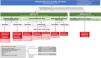
GEMA 5.5 introduces a revised therapeutic algorithm for uncontrolled severe asthma (USA), reflecting the incorporation of emerging clinical evidence and novel pharmacologic strategies derived from recent trials with biologic and adjunctive therapies. In this updated version, the primary objective remains the systematic identification of the predominant inflammatory phenotype—T2 or non-T2 asthma—through an integrated assessment of blood and sputum eosinophils, FeNO levels, total IgE, allergy testing, and the presence of type 2 comorbidities such as chronic rhinosinusitis with or without nasal polyps, atopic dermatitis, chronic urticaria, hypereosinophilic syndrome, eosinophilic pneumonia, or EGPA (Fig. 1) [5].

Treatment of adult uncontrolled severe asthma according to phenotype. USA: uncontrolled severe asthma; ICS: inhaled corticosteroids; LABA: long-acting β2-adrenergic agonists; LAMA: long-acting muscarinic antagonist; CRSwNP: chronic rhinosinusitis with nasal polyps; HES: hypereosinophilic syndrome; EGPA: eosinophilic granulomatosis with polyangiitis; PMNN: polymorphonuclear cells; EOS: eosinophils; ACT: Asthma Control Test; ACQ: Asthma Control Questionnaire; SNOT 22: Sino-Nasal Outcome Test; VAS: Visual Analog Scale; FeNO: fractional exhaled nitric oxide. 1 At high doses. 2 Allergen sensitization, clinical allergic disease, and total IgE≥75IU/ml. 3 Not recommended if blood EOS>1000μL.
The latest edition of GEMA provides a substantial update on the use of biologic agents in children and adolescents with severe asthma, incorporating new evidence on both clinical efficacy and long-term safety. These updates, summarized in Table 1, further support the role of targeted therapies against type 2 (T2) inflammation in the management of pediatric patients [12].
Monoclonal antibodies in the pediatric population with severe asthma [12].
| Name | Therapeutic target | Mechanism of action | EMA approval age (years) | Indication | Dose / S.C. | Treatable comorbidities | Predictors of response | Clinical outcomes | Adverse effects | ||||
|---|---|---|---|---|---|---|---|---|---|---|---|---|---|
| E | C | PF | QoL | SC | |||||||||
| OMALIZUMAB | IgE | Binds circulating IgE, preventing its binding to the FcɛRI receptor on mast cells, basophils, and plasmacytoid dendritic cells; FcɛrII on plasmacytoid dendritic cells and eosinophils. Reduces free IgE and downregulates receptor expression | ≥ 6 | Uncontrolled severe allergic asthma with sensitization to perennial aeroallergens and within range according to weight and IgE level | According to weight and total IgE75–600 mg IgE [kU/L]: 30–1300) every 2–4 weeksPrefilled syringe.Home administration | Chronic idiopathic urticariaNasal polyposis | Blood eosinophils ≥260/μL, FeNO >20 ppb | ↓ | ↑ | =↑ | ↑ | ↓ | Local reactionHeadache, fever (6–12 years)Anaphylaxis (very rare) |
| MEPOLIZUMAB | IL-5 | Binds circulating IL-5, preventing its binding to the α receptor.Reduces eosinophils. | ≥ 6 | Uncontrolled severe asthma with blood eosinophils ≥150/μL or ≥300/μL in the past year. | 6–11 years: 40 mg.≥12 years: 100 mg every 4 weeks.Prefilled syringe or autoinjector (pen).Home administration. | Nasal polyposis.EGPAHES | ↑ Eos↑ ENasal polyposisSC | ↓ | ↑ | ↑ | ↑ | ↓ | Local reactionHeadacheNasal congestion, anaphylaxis (very rare) |
| DUPILUMAB | IL-4Rα | Binds IL-4Rα, blocking IL-4/IL-13 signaling.Downregulates the T2 inflammatory pathwayPrevent eosinophil extravasation into tissues. | ≥ 6 | Uncontrolled severe asthma with blood eosinophils ≥150/μL and ≤1500/μL and/or FeNO ≥25 ppb and/or need for SCS. | 6–11 years:15–<30 kg: 300 mg every 4 weeks30–<60 kg: 200 mg every 2 weeks or 300 mg every 4 weeks≥60 kg: 200 mg every 2 weeks.≥12 years:200 mg every 2 weeks (400 mg first dose). *If moderate–severe AD/SC: 300 mg every 2 weeks (600 mg first dose).*Prefilled syringe or autoinjector (pen).Home administration. | Atopic dermatitisNasal polyposisEosinophilic esophagitis | ↑ Eos↑ FeNO | ↓ | ↑ | ↑ | ↑ | ↓ | Local reactionTransient eosinophiliaEGPA (very rare)Anaphylaxis (very rare) |
| TEZEPELUMAB | TSLP | Binds circulating TSLP, preventing its binding to the receptor.Acts at upper levels of the inflammatory cascade. | ≥ 12 | Severe T2 or non-T2 asthma with exacerbations. | 210 mg every 4 weeks.Prefilled syringe or autoinjector (pen). | — | ↑ Eos↑ FeNO,T2-low | ↓ | ↑ | ↑ | ↑ | = | Local reactionPharyngitisArthralgiaBack painNasal congestionAnaphylaxis (very rare) |
TSLP: thymic stromal lymphopoietin. FcRI and II: high- and low-affinity receptors for the IgE Fc region. IL-5Rα: IL-5 receptor α subunit. IL-4Rα: IL-4 receptor α subunit. S.C.: subcutaneous. EMA: European Medicines Agency. EGPA: eosinophilic granulomatosis with polyangiitis. HES: hypereosinophilic syndrome. AD: atopic dermatitis. EoE: eosinophilic esophagitis. FeNO: fractional exhaled nitric oxide. ppb: parts per billion. Eos: eosinophils. CS: systemic corticosteroids. FP: lung function. E: exacerbations. C: control. QoL: quality of life.
The efficacy and safety data of dupilumab have been updated, showing that it maintains its efficacy and safety in children and adolescents with moderate-to-severe type 2 asthma [16,17]. In children aged 6–11 years, dupilumab demonstrated sustained improvements in lung function and clinical control over a two-year treatment period, accompanied by persistent reductions in FeNO and serum IgE levels.
The updated guideline includes, for the first time, comprehensive data on tezepelumab use in pediatric and adolescent populations, acknowledging it as an add-on maintenance therapy for patients with uncontrolled severe asthma (USA), irrespective of their inflammatory phenotype. Tezepelumab has received FDA and EMA approval for patients aged ≥12 years with USA, without the need for biomarker-based stratification. Its efficacy was confirmed in the NAVIGATOR and SOURCE trials, where it significantly reduced severe exacerbation rates and improved FEV1 in both T2-high and T2-low phenotypes [12].
The guideline reinforces the ongoing trend toward harmonizing therapeutic criteria between adult and pediatric populations, ensuring that management is conducted under the supervision of specialized severe asthma units.
Allergic bronchopulmonary AspergillosisGEMA 5.5 presents a comprehensive update of the section on allergic bronchopulmonary aspergillosis (ABPA), aligned with the latest recommendations from the international ISHAM-ABPA guidelines [18]. These new guidelines introduce significant updates to the diagnostic criteria, clinical classification, and therapeutic management, aiming to enhance early disease detection and stratification [18].
In the therapeutic setting, the guidelines recognize variability in systemic corticosteroid regimens and recommend intermediate tapering strategies aimed at minimizing adverse effects [18]. The main therapeutic advancement lies in the incorporation of evidence supporting the use of biologic agents (omalizumab, dupilumab, and mepolizumab) as effective alternatives for refractory or corticosteroid-dependent cases, demonstrating significant reductions in exacerbation rates, decreases in IgE levels, and improvements in lung function [19].
Recent advances in the treatment of eosinophilic granulomatosis with polyangiitis (EGPA)GEMA 5.5 introduces an updated therapeutic approach to eosinophilic granulomatosis with polyangiitis (EGPA), emphasizing the incorporation of benralizumab as a newly approved treatment option by regulatory authorities for patients with recurrent or refractory disease. A 52-week randomized clinical trial comparing benralizumab and mepolizumab demonstrated comparable efficacy in achieving remission, reducing oral glucocorticoid requirements, and lowering relapse rates [20]. Similarly, a meta-analysis of eight studies involving 396 patients demonstrated a mean corticosteroid dose reduction of −8.25mg/day, clinical remission in 56.8% of patients, reduction or discontinuation of immunosuppressants in 28.1%, and an overall acceptable safety profile [21]. Furthermore, a two-year follow-up study confirmed the long-term efficacy and favorable safety profile of benralizumab in patients with refractory EGPA [22]. These findings prompted an update of the GEMA therapeutic algorithm, which now incorporates benralizumab alongside mepolizumab as a recommended treatment option for EGPA, particularly in patients with corticosteroid dependence or recurrent relapses. This inclusion further reinforces the position of anti-IL5 and anti-IL5R biologics as the standard of care in eosinophilic vasculitis.
ConclusionsThe latest edition of GEMA represents both the natural progression of a mature and consolidated project and a conceptual step forward toward more personalized, integrative, and remission-oriented asthma care. This update goes beyond revising treatments and algorithms: it reframes asthma as a heterogeneous and dynamic disease influenced by genetic, immunologic, environmental, and behavioral factors.
Clinically, GEMA 5.5 introduces key transformations in management. It redefines therapeutic goals by establishing clinical and biological remission as the primary target, moving beyond mere symptom control. This objective is achievable through precise phenotypic assessment, optimal use of inhaled and biologic therapies, and structured follow-up. The guideline further consolidates personalized medicine by tailoring treatment to type 2 and non-type 2 inflammatory profiles, aiming to maximize efficacy while minimizing exposure to systemic corticosteroids. In addition, it strengthens healthcare delivery and digital monitoring strategies, emphasizing accredited asthma units and telemedicine as essential tools to support adherence and continuous evaluation.
GEMA 5.5 reaffirms the core principles that have guided its development for more than two decades: patient education, adherence to treatment, and ongoing monitoring as fundamental pillars of clinical success. In an era in which molecular biology and digital health converge, this edition proposes a balanced model that unites robust scientific evidence with individualized care. Far from being a mere update, GEMA 5.5 represents a redefinition of the asthma management paradigm, with international relevance and a clear commitment to leadership among Spanish-language clinical practice guidelines.
Authors’ contributionsCA: designed contents and wrote the manuscript draft.
SQ: revised, corrected and approved the final manuscript.
MB: revised, corrected and approved the final manuscript.
AC: revised, corrected and approved the final manuscript.
JV: revised, corrected and approved the final manuscript.
VP: designed contents and wrote the manuscript draft.
Artificial intelligence involvementAI has been used to improve English writing.
FundingN/A.
Conflicts of interestCA in the last three years received honoraria for speaking at sponsored meetings from Astrazeneca, Boehringer-Ingelheim, Chiesi, Gebro, GSK, and Sanofi. Act as a consultant for Astrazeneca, Chiesi, GSK and Sanofi.
SQ has been on advisory boards for and has received speaker's honoraria from Allergy Therapeutics, AstraZeneca, Chiesi, GlaxoSmithKline, Gebro, Novartis and Sanofi.
MB in the last three years received honoraria for advisory and speaking at sponsored meetings from Astrazeneca, GSK, TEVA, SANOFI, Chiesi.
AC A del Cuvillo has received honoraria for consultancyand conferences from MSD, Sanofi, GSK, Menarini, FAES Pharma, Alk Abello, Astra Zeneca, Novartis, Viatris, Uriach, UCB Pharma, and TEVA.
JVM has received consultancy fees from AstraZeneca, speaker fees from Novartis, GSK, AstraZeneca, Sanofi, GEBRO and Diater and fees for the advisory board from GSK, Sanofi and Novartis.
VP in the last three years received honoraria for speaking at spon- sored meetings from Astrazeneca, Boehringer-Ingelheim, Chiesi, Gebro, GSK, Luminova-Medwell and Sanofi. Received help assistance to meeting travel from Astrazeneca and Chiesi. Act as a consultant for Astrazeneca, Chiesi, GSK and Menarini.